Science for All
The science research article I decided to review is titled "Opening Doors With Informal Science: Exposure and Access for Our Underserved Students" (Jones, 1997, p. 1). The underlying thought for this research article was to introduce youth in underserved communities, "urban African American students", to agricultural sciences through an informal approach and utilizing "nontraditional (all women and men of color) scientists" (Jones, 1997, p. 1). "The goal of the project was to create an educational experience that these students might find personally relevant. The presumption was that if they could see the connection between agriculture and their own lives, they might be more interested in the scientific aspects of the presentations" (Jones, 1997, p. 2).
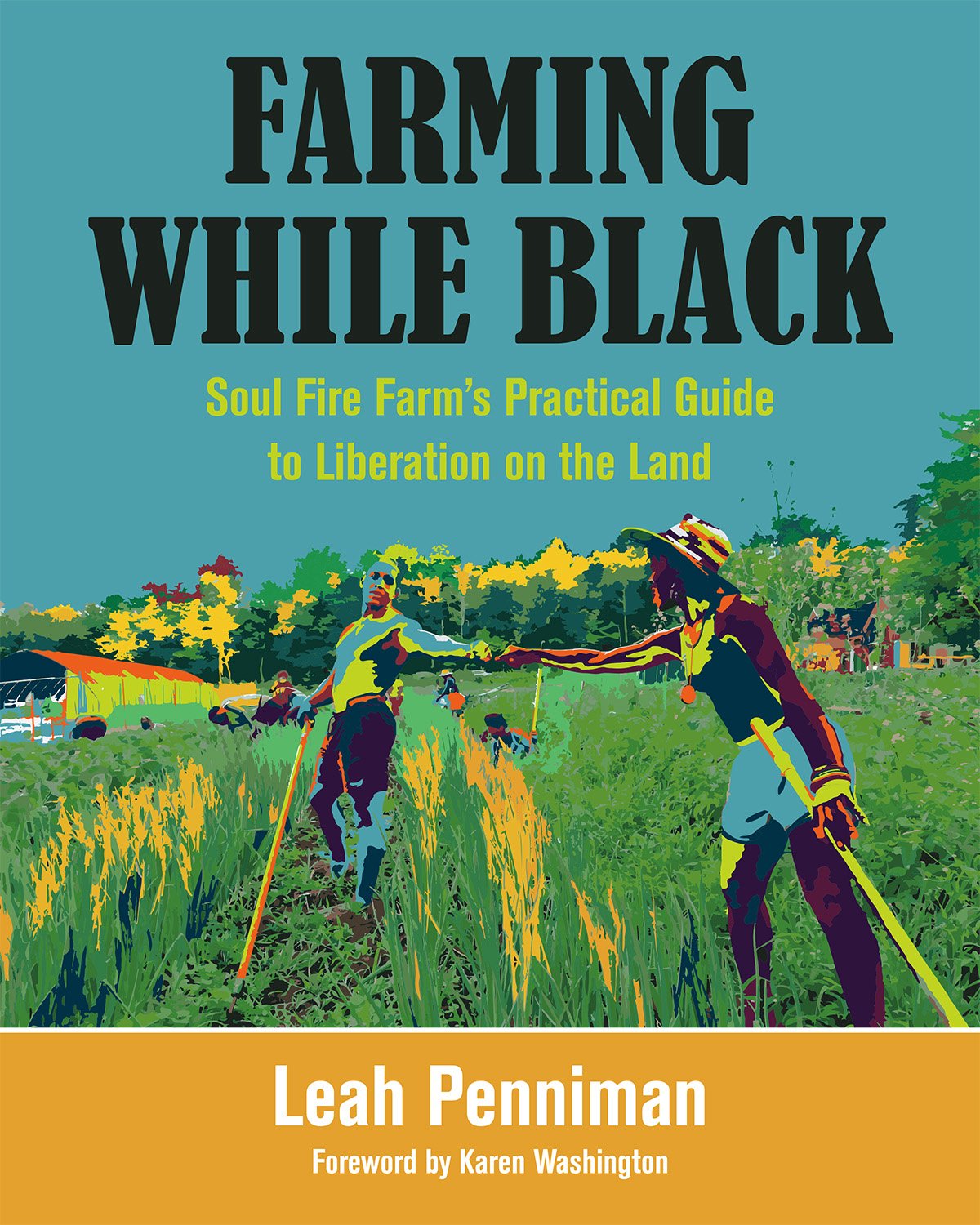
I think the article is just as relevant in 2018 as it was in 1997. Many underserved, urban communities rely heavily on bodegas as their food source. When transportation to a grocery store is inconvenient a local bodega can serve as a primary source of food. Unfortunately, much of the shelves at bodegas are stocked with high sugar drinks and prepackaged foods that remove consumers from the food system and lack nutritional value. It would be interesting to see this study repeated and if there have been any drastic changes or interests in agricultural sciences. The article does mention that in 1994 the National Science Foundation reported that people of color accounted for 6.7% of degrees in agriculture (Jones, 1997). Now, based on data from 2016, that number has increased and POC accounts for 20% of agricultural degrees (DataUSA, 2016). There is a farm in Petersburg, NY called Soul Fire Farm that is bringing awareness to food justice and celebrating black farmers. They also put out a book called "Farming While Black" by Leah Penniman. I have been following this farm and their mission for a couple years and they are bringing much-needed voice to the conversation around food injustice.
The article also addresses basic concerns about access to science education in all populations and the benefits of informal science to engage youth in sciences (Jones, 1997). I think this echoes what we have been learning about inquiry-based lessons. Inquiry lessons and the 5E's lend themselves to natural curiosity in a non-rigid way that can be intimidating.
This article stood out to me for a couple reasons. The first is because I have a background in agriculture and it is something I hope to utilize as a teacher. I think it is important for everyone to have knowledge of the food system and the role it plays in our society. I also chose this research article because two years ago I did a year of service with FoodCorps where I was teaching students in underserved communities about food and agriculture. Much of my training for this job was focused on empowering students and their families to have knowledge of the food system and their own nutrition. However, something I was very mindful of the whole year is that I was an outsider, in the sense that I'm not from their community, I was white, and I was only going to be there for a year. Even though I valued the experience immensely and grew as an educator during that year I was conscious that the work I was doing may have been more impact if it was coming from someone who represented that community better. Someone who either lived in Harlem or the Bronx and wasn't commuting in every day or someone that reflected the ethnicity of the community better. Although this article is 20 years old I think it has relevance in today's society. I would be interested to see a repeat of this study done in the 21st century.
DataUSA. (2016). Agriculture. Retrieved from https://datausa.io/profile/cip/01/#demographics
Jones, L. S. (1997). Opening Doors with Informal Science: Exposure and Access for Our Underserved Students. Retrieved from https://drive.google.com/drive/folders/0BwC7OGFCEPfyT29kSWhSbDRLNlU.
I think the article is just as relevant in 2018 as it was in 1997. Many underserved, urban communities rely heavily on bodegas as their food source. When transportation to a grocery store is inconvenient a local bodega can serve as a primary source of food. Unfortunately, much of the shelves at bodegas are stocked with high sugar drinks and prepackaged foods that remove consumers from the food system and lack nutritional value. It would be interesting to see this study repeated and if there have been any drastic changes or interests in agricultural sciences. The article does mention that in 1994 the National Science Foundation reported that people of color accounted for 6.7% of degrees in agriculture (Jones, 1997). Now, based on data from 2016, that number has increased and POC accounts for 20% of agricultural degrees (DataUSA, 2016). There is a farm in Petersburg, NY called Soul Fire Farm that is bringing awareness to food justice and celebrating black farmers. They also put out a book called "Farming While Black" by Leah Penniman. I have been following this farm and their mission for a couple years and they are bringing much-needed voice to the conversation around food injustice.
The article also addresses basic concerns about access to science education in all populations and the benefits of informal science to engage youth in sciences (Jones, 1997). I think this echoes what we have been learning about inquiry-based lessons. Inquiry lessons and the 5E's lend themselves to natural curiosity in a non-rigid way that can be intimidating.
This article stood out to me for a couple reasons. The first is because I have a background in agriculture and it is something I hope to utilize as a teacher. I think it is important for everyone to have knowledge of the food system and the role it plays in our society. I also chose this research article because two years ago I did a year of service with FoodCorps where I was teaching students in underserved communities about food and agriculture. Much of my training for this job was focused on empowering students and their families to have knowledge of the food system and their own nutrition. However, something I was very mindful of the whole year is that I was an outsider, in the sense that I'm not from their community, I was white, and I was only going to be there for a year. Even though I valued the experience immensely and grew as an educator during that year I was conscious that the work I was doing may have been more impact if it was coming from someone who represented that community better. Someone who either lived in Harlem or the Bronx and wasn't commuting in every day or someone that reflected the ethnicity of the community better. Although this article is 20 years old I think it has relevance in today's society. I would be interested to see a repeat of this study done in the 21st century.
DataUSA. (2016). Agriculture. Retrieved from https://datausa.io/profile/cip/01/#demographics
Jones, L. S. (1997). Opening Doors with Informal Science: Exposure and Access for Our Underserved Students. Retrieved from https://drive.google.com/drive/folders/0BwC7OGFCEPfyT29kSWhSbDRLNlU.

Comments
Post a Comment